
Design et objets de Chandigarh : potentiel d’investissement pour 2026
2025 | 12 | 29
2020 à 2025 : le marché en situation de stress
Les années Covid 2020 et 2021 ont été globalement difficiles pour le commerce de l'art. Sans expositions ni salons, le commerce s'est pratiquement arrêté. Les galeries d'art traditionnelles sans présence en ligne ont davantage souffert que celles qui en disposaient. Les galeries de mobilier design dotées d'une telle présence ont en revanche connu de la demande : les collectionneurs désormais confinés chez eux ont investi dans l'amélioration de leur habitat. La deuxième crise a duré de 2022 à 2025 : inflation, craintes de récession, tensions géopolitiques et guerres commerciales ont conduit à un public d'acheteurs hésitant. À l'échelle mondiale, le commerce de l'art a chuté de 12 % en 2024, et le marché des enchères s'est effondré de 7 % au premier semestre 2025.¹ Les baisses de revenus de 50 % d'acteurs majeurs comme Hauser & Wirth sont préoccupantes.²
> more
L'étude Art Basel et UBS atteste cependant de la résilience du marché du design pour la période 2023 à 2025. Les prix ont à peine chuté par rapport au reste du marché de l'art. Les baisses de revenus se sont produites principalement dans le segment des prix élevés. Les grandes galeries de design ont lutté avec des coûts fixes élevés et des baisses de revenus. Le marché exigeait un changement, et de nouvelles galeries innovantes se sont établies.
Un changement générationnel dans la base d'acheteurs est également apparu, quelque chose qui s'est produit progressivement mais qui a maintenant soudainement frappé la scène des galeries de design et créé de nouveaux collectionneurs ainsi que de nouvelles exigences. Parmi les personnes fortunées, les baby-boomers (nés de 1946 à 1964) continuent de représenter le groupe de collectionneurs avec les revenus les plus élevés : ils achètent cher mais peu d'œuvres. En termes de revenus, les millennials (nés de 1981 à 1996) suivent, dominant le marché à 55 %.³ La génération Z expérimentale achète en plus grand nombre, mais des objets de design moins chers, et construit continuellement ses collections. Le marché subit une transition qui exige plus de qualité et d'innovation, une opportunité pour l'ensemble du marché du design.
Le design s'établit comme un investissement
Le design est passé d'une position marginale au répertoire traditionnel des collectionneurs. Là où l'engouement pour le design était autrefois confiné à un domaine de niche et considéré comme un secret d’initiés, un large public s'intéresse désormais au design. L'étude Art Basel et UBS pour 2025 montre que 20 % des collectionneurs d'art interrogés (personnes fortunées) ont l'intention d'intégrer le design dans leur collection. Il y a seulement quelques années, moins de 3 % voulaient ajouter le design à leur portefeuille. Ces parties concernées considèrent le design comme sous-évalué par rapport à l'art traditionnel avec des caractéristiques de qualité comparables. Le design n'est plus considéré comme un domaine expérimental mais comme un domaine de collection sérieux et un investissement légitime.
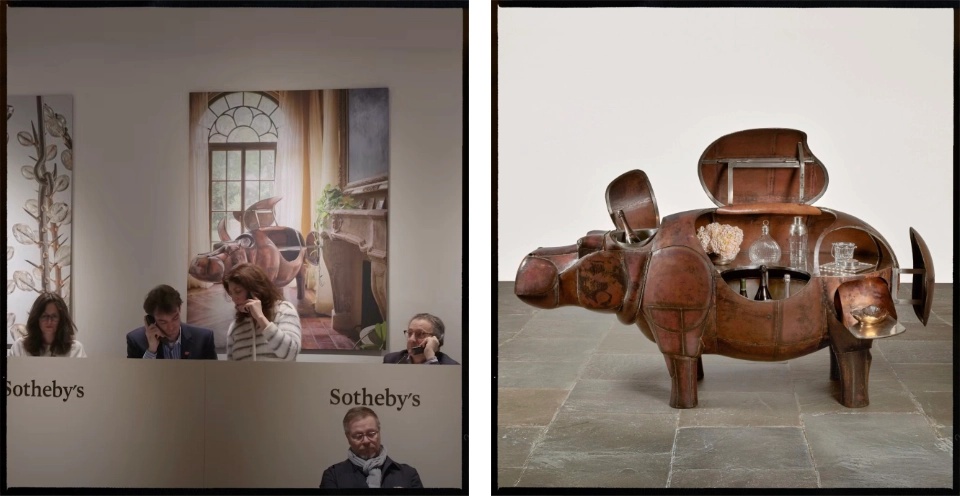
Depuis environ 35 ans seulement, le design s'est imposé comme objet de collection pertinent. Des institutions telles que le Vitra Design Museum, le Centre Pompidou, le MoMA, des maisons de vente aux enchères comme Wright, Piasa, Christie's, Phillips, Sotheby's, et des foires comme Design Miami (depuis 2005) ont légitimé le design en tant que bien culturel. Le marché a atteint le stade où les objets de mobilier deviennent des investissements de collection. Alors qu'entre 2000 et 2020 environ 20 objets de design ont atteint des prix supérieurs à 1 million USD aux enchères, en 2024 et 2025 seulement, plus de 20 objets de design ont dépassé ce seuil. Une accélération remarquable. Des objets de design d'Eileen Gray, Jean Prouvé, Carlo Mollino, Diego Giacometti, Frank Lloyd Wright, ou François-Xavier Lalanne, dont l'Hippopotame Bar vient d'atteindre un nouveau record à 31,4 millions de dollars,⁴ illustrent cette évolution.
Le design s'est révélé résistant aux crises de 2020 à 2025. Alors que le marché de l'art a souffert entre 2022 et 2025 et qu'une baisse des prix était évidente, les prix sur le marché du design ont simplement stagné. Cette résilience rend le design intéressant pour l'avenir et suggère que la demande croît et que les prix ne sont généralement pas surévalués.
Le potentiel d'investissement des objets de Chandigarh
A) Pertinence historique et position sur le marché
Le design de la première moitié du XXe siècle reste unique en raison de son importance historique et de son caractère innovant. Cette époque représente le noyau de toute la tradition du design jusqu'à aujourd'hui. Pierre Jeanneret et Le Corbusier sont toujours considérés comme l'équipe architecturale la plus significative et la plus influente de notre époque. Cette position est historiquement établie et ne sera plus relativisée même par de nouveaux designers. Ces faits définissent la pertinence et la valeur de leurs œuvres.
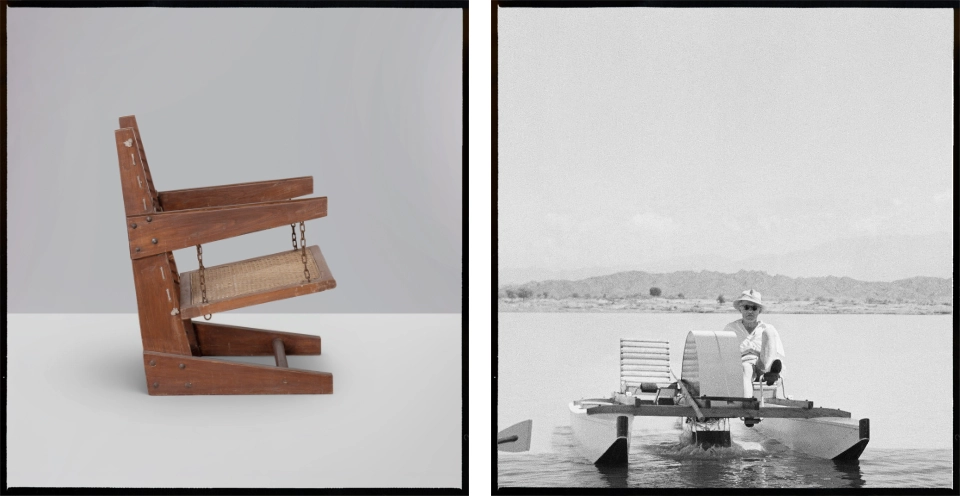
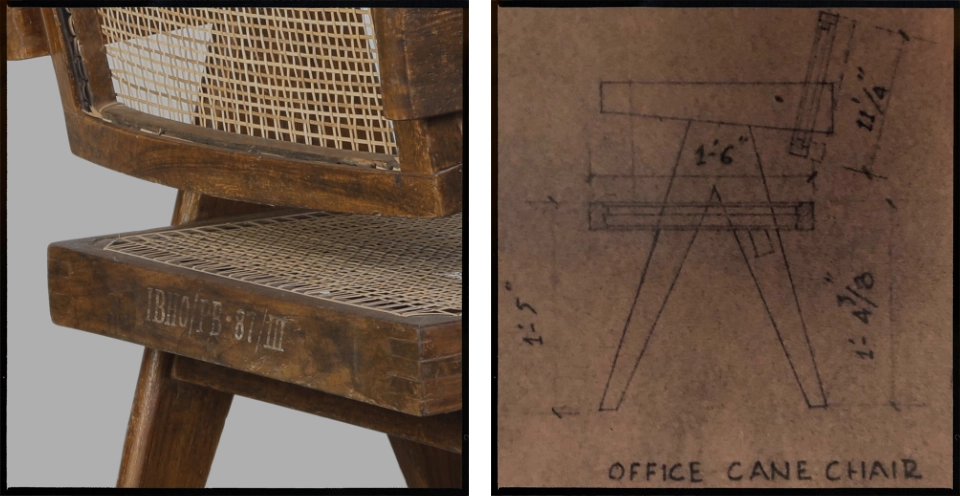
Les prix des objets de Chandigarh ont montré leur propre dynamique au cours des 30 dernières années. Avec la « redécouverte » vers 2005, une explosion des prix s'est produite. Dans la phase d’engouement et de hausse des prix cultivée par les galeries avec les maisons de vente aux enchères, un « Office Cane Chair PJ-SI-28-A » a atteint un prix de 12 500 dollars⁵ (valeur actuelle environ 4 200 dollars). En 2015, il est devenu évident que de nombreux objets n'étaient pas aussi rares que prétendu, ce qui a conduit à une correction des prix. L'émergence de contrefaçons a contribué aux incertitudes et a également nui aux prix. Les prix augmentent à nouveau continuellement depuis plusieurs années, après que les questions de rareté ont été clarifiées et que des idées plus claires existent concernant l'authenticité. Les objets qui combinent rareté et utilisabilité se sont particulièrement bien développés. Les fauteuils de Chandigarh, par exemple, sont recherchés : objet de collection, objet résidentiel et symbole de statut social.
B) Facteurs de valeur et critères d'investissement
L'authenticité est décisive. L'incertitude se reflète dans des offres modérées aux enchères, tandis que les pièces rares dont la provenance est attestée atteignent des prix records. Les prix augmentent ou chutent lorsque les originaux ne peuvent plus être distingués des contrefaçons. L'importance de l'authenticité et de la provenance croit et garantit que le design en tant qu'investissement ne subit pas de perte de valeur. Les certificats sur la technologie blockchain rendent la provenance vérifiable et traçable. Cette technologie, utilisée avec succès pour les diamants afin d’exclure les origines problématiques, trouve également de plus en plus d'applications sur le marché du design.
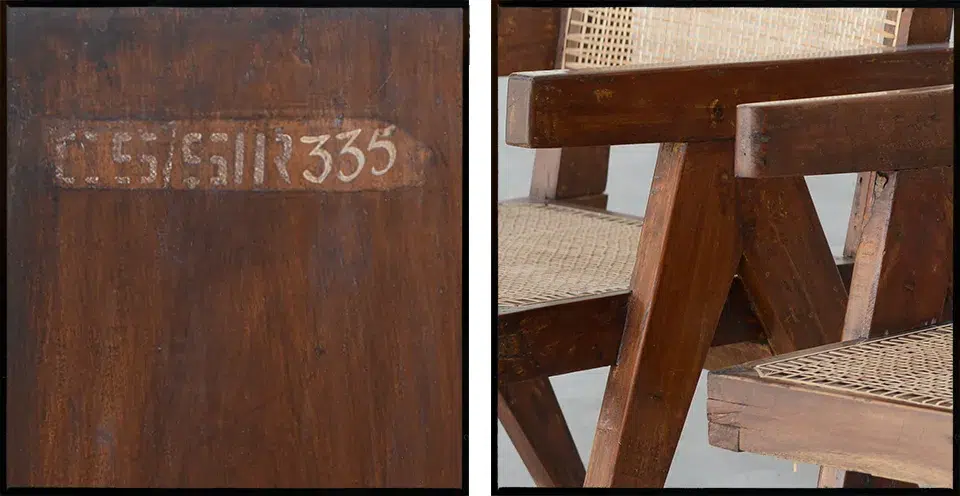
L'évolution des prix dépend également de plus en plus de la qualité de la restauration et de la patine. Jusqu'en 2015 environ, la sur-restauration n'était pas rare : la patine était remplacée, les traces d'utilisation éliminées, la surface libérée de son histoire. De tels objets perdent de la valeur aujourd'hui car ces interventions effacent d'importants indicateurs d'authenticité. Les priorités ont changé. Les objets avec une patine riche et une restauration subtile et soignée gagnent plus de valeur. La patine, la rouille et les finitions de peinture d’origine sont de plus en plus appréciées, une tendance qui s'intensifie.
La pertinence historique de l'art du designer, la disponibilité limitée, la distinction claire des premières éditions originales des reproductions ultérieures, tout cela favorise l'appréciation de la valeur. Les aspects narratifs façonnent la valeur au même degré. Si un mythe s'est développé autour du designer ou de l'objet, le désir augmente et donc aussi la valeur perçue par le collectionneur .
Observations finales
Les objets de Chandigarh sont parmi les objets de collection les plus précieux dans le design et ont prouvé leur pertinence intemporelle. La demande fortement croissante à travers toutes les générations de collectionneurs, la confiance accrue dans le design en tant qu'investissement, et l'attention accrue portée à la documentation d'authenticité créent des conditions stables pour le marché et légitiment l'appréciation de la valeur. Cette évolution s'intensifiera en 2026.
¹ Clare McAndrew, Survey of Global Collecting (Basel: Art Basel and UBS, 2025), 21.
² Tippinpoint, « Schweizer Stargalerist Iwan Wirth: Brechen die Geschäfte in Grossbritannien ein? », consulté le 27 décembre 2025, https://www.tippinpoint.ch/artikel/78340/schweizer_stargalerist_iwan_wirth_brechen_die_geschaefte_in_grossbritannien_ein.html.
³ Clare McAndrew, Survey of Global Collecting (Basel: Art Basel and UBS, 2025), 46.
⁴ Sotheby's, « Hippopotame Bar, Piece Unique », Important Design Featuring the Schlumberger Collection, 2025, https://www.sothebys.com/en/buy/auction/2025/important-design-featuring-the-schlumberger-collection/hippopotame-bar-piece-unique.
⁵ Phillips, « Pierre Jeanneret, Pair of 'Office' Armchairs, Model No. PJ-SI-28-A », consulté le 25 décembre 2025, https://www.phillips.com/detail/pierre-jeanneret/77818?fromSearch=pj-si-28&searchPage=1.
© Sotheby's
Un changement générationnel dans la base d'acheteurs est également apparu, quelque chose qui s'est produit progressivement mais qui a maintenant soudainement frappé la scène des galeries de design et créé de nouveaux collectionneurs ainsi que de nouvelles exigences. Parmi les personnes fortunées, les baby-boomers (nés de 1946 à 1964) continuent de représenter le groupe de collectionneurs avec les revenus les plus élevés : ils achètent cher mais peu d'œuvres. En termes de revenus, les millennials (nés de 1981 à 1996) suivent, dominant le marché à 55 %.³ La génération Z expérimentale achète en plus grand nombre, mais des objets de design moins chers, et construit continuellement ses collections. Le marché subit une transition qui exige plus de qualité et d'innovation, une opportunité pour l'ensemble du marché du design.
Le design s'établit comme un investissement
Le design est passé d'une position marginale au répertoire traditionnel des collectionneurs. Là où l'engouement pour le design était autrefois confiné à un domaine de niche et considéré comme un secret d’initiés, un large public s'intéresse désormais au design. L'étude Art Basel et UBS pour 2025 montre que 20 % des collectionneurs d'art interrogés (personnes fortunées) ont l'intention d'intégrer le design dans leur collection. Il y a seulement quelques années, moins de 3 % voulaient ajouter le design à leur portefeuille. Ces parties concernées considèrent le design comme sous-évalué par rapport à l'art traditionnel avec des caractéristiques de qualité comparables. Le design n'est plus considéré comme un domaine expérimental mais comme un domaine de collection sérieux et un investissement légitime.
Depuis environ 35 ans seulement, le design s'est imposé comme objet de collection pertinent. Des institutions telles que le Vitra Design Museum, le Centre Pompidou, le MoMA, des maisons de vente aux enchères comme Wright, Piasa, Christie's, Phillips, Sotheby's, et des foires comme Design Miami (depuis 2005) ont légitimé le design en tant que bien culturel. Le marché a atteint le stade où les objets de mobilier deviennent des investissements de collection. Alors qu'entre 2000 et 2020 environ 20 objets de design ont atteint des prix supérieurs à 1 million USD aux enchères, en 2024 et 2025 seulement, plus de 20 objets de design ont dépassé ce seuil. Une accélération remarquable. Des objets de design d'Eileen Gray, Jean Prouvé, Carlo Mollino, Diego Giacometti, Frank Lloyd Wright, ou François-Xavier Lalanne, dont l'Hippopotame Bar vient d'atteindre un nouveau record à 31,4 millions de dollars,⁴ illustrent cette évolution.
Le design s'est révélé résistant aux crises de 2020 à 2025. Alors que le marché de l'art a souffert entre 2022 et 2025 et qu'une baisse des prix était évidente, les prix sur le marché du design ont simplement stagné. Cette résilience rend le design intéressant pour l'avenir et suggère que la demande croît et que les prix ne sont généralement pas surévalués.
Le potentiel d'investissement des objets de Chandigarh
A) Pertinence historique et position sur le marché
Le design de la première moitié du XXe siècle reste unique en raison de son importance historique et de son caractère innovant. Cette époque représente le noyau de toute la tradition du design jusqu'à aujourd'hui. Pierre Jeanneret et Le Corbusier sont toujours considérés comme l'équipe architecturale la plus significative et la plus influente de notre époque. Cette position est historiquement établie et ne sera plus relativisée même par de nouveaux designers. Ces faits définissent la pertinence et la valeur de leurs œuvres.
Les prix des objets de Chandigarh ont montré leur propre dynamique au cours des 30 dernières années. Avec la « redécouverte » vers 2005, une explosion des prix s'est produite. Dans la phase d’engouement et de hausse des prix cultivée par les galeries avec les maisons de vente aux enchères, un « Office Cane Chair PJ-SI-28-A » a atteint un prix de 12 500 dollars⁵ (valeur actuelle environ 4 200 dollars). En 2015, il est devenu évident que de nombreux objets n'étaient pas aussi rares que prétendu, ce qui a conduit à une correction des prix. L'émergence de contrefaçons a contribué aux incertitudes et a également nui aux prix. Les prix augmentent à nouveau continuellement depuis plusieurs années, après que les questions de rareté ont été clarifiées et que des idées plus claires existent concernant l'authenticité. Les objets qui combinent rareté et utilisabilité se sont particulièrement bien développés. Les fauteuils de Chandigarh, par exemple, sont recherchés : objet de collection, objet résidentiel et symbole de statut social.
B) Facteurs de valeur et critères d'investissement
L'authenticité est décisive. L'incertitude se reflète dans des offres modérées aux enchères, tandis que les pièces rares dont la provenance est attestée atteignent des prix records. Les prix augmentent ou chutent lorsque les originaux ne peuvent plus être distingués des contrefaçons. L'importance de l'authenticité et de la provenance croit et garantit que le design en tant qu'investissement ne subit pas de perte de valeur. Les certificats sur la technologie blockchain rendent la provenance vérifiable et traçable. Cette technologie, utilisée avec succès pour les diamants afin d’exclure les origines problématiques, trouve également de plus en plus d'applications sur le marché du design.
L'évolution des prix dépend également de plus en plus de la qualité de la restauration et de la patine. Jusqu'en 2015 environ, la sur-restauration n'était pas rare : la patine était remplacée, les traces d'utilisation éliminées, la surface libérée de son histoire. De tels objets perdent de la valeur aujourd'hui car ces interventions effacent d'importants indicateurs d'authenticité. Les priorités ont changé. Les objets avec une patine riche et une restauration subtile et soignée gagnent plus de valeur. La patine, la rouille et les finitions de peinture d’origine sont de plus en plus appréciées, une tendance qui s'intensifie.
La pertinence historique de l'art du designer, la disponibilité limitée, la distinction claire des premières éditions originales des reproductions ultérieures, tout cela favorise l'appréciation de la valeur. Les aspects narratifs façonnent la valeur au même degré. Si un mythe s'est développé autour du designer ou de l'objet, le désir augmente et donc aussi la valeur perçue par le collectionneur .
Observations finales
Les objets de Chandigarh sont parmi les objets de collection les plus précieux dans le design et ont prouvé leur pertinence intemporelle. La demande fortement croissante à travers toutes les générations de collectionneurs, la confiance accrue dans le design en tant qu'investissement, et l'attention accrue portée à la documentation d'authenticité créent des conditions stables pour le marché et légitiment l'appréciation de la valeur. Cette évolution s'intensifiera en 2026.
¹ Clare McAndrew, Survey of Global Collecting (Basel: Art Basel and UBS, 2025), 21.
² Tippinpoint, « Schweizer Stargalerist Iwan Wirth: Brechen die Geschäfte in Grossbritannien ein? », consulté le 27 décembre 2025, https://www.tippinpoint.ch/artikel/78340/schweizer_stargalerist_iwan_wirth_brechen_die_geschaefte_in_grossbritannien_ein.html.
³ Clare McAndrew, Survey of Global Collecting (Basel: Art Basel and UBS, 2025), 46.
⁴ Sotheby's, « Hippopotame Bar, Piece Unique », Important Design Featuring the Schlumberger Collection, 2025, https://www.sothebys.com/en/buy/auction/2025/important-design-featuring-the-schlumberger-collection/hippopotame-bar-piece-unique.
⁵ Phillips, « Pierre Jeanneret, Pair of 'Office' Armchairs, Model No. PJ-SI-28-A », consulté le 25 décembre 2025, https://www.phillips.com/detail/pierre-jeanneret/77818?fromSearch=pj-si-28&searchPage=1.
© Sotheby's

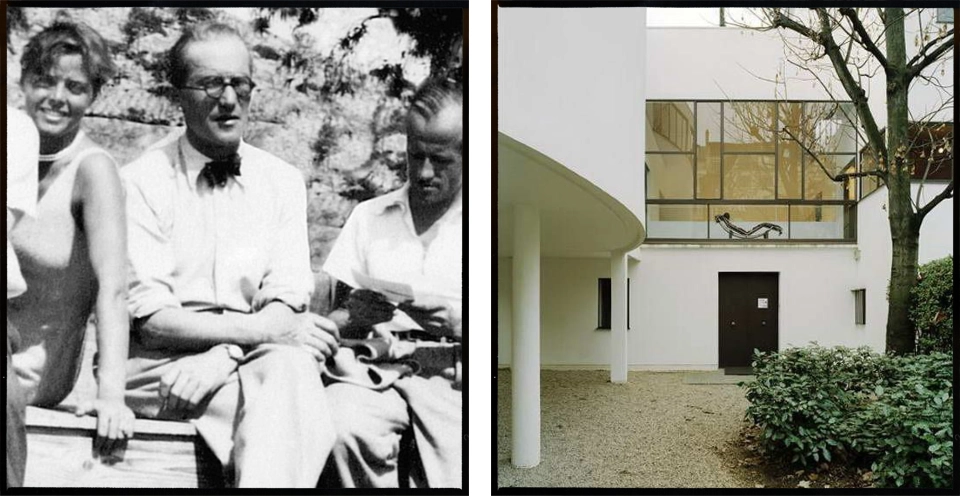
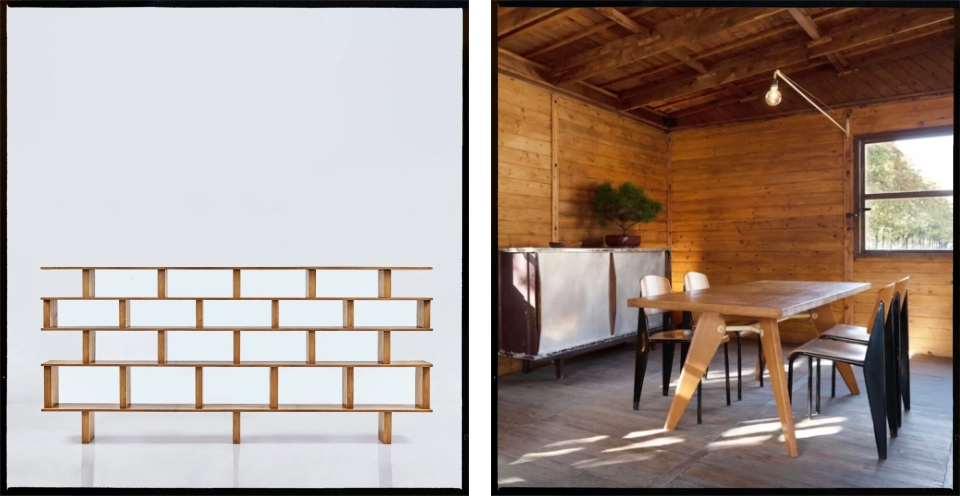
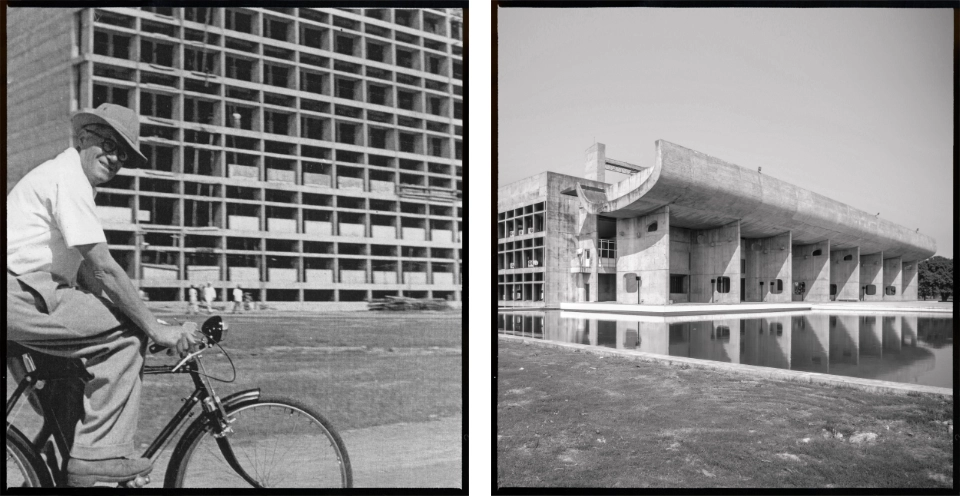 Jeanneret visite le chantier du bâtiment du Secrétariat à Chandigarh Palais de l'Assemblée à Chandigarh
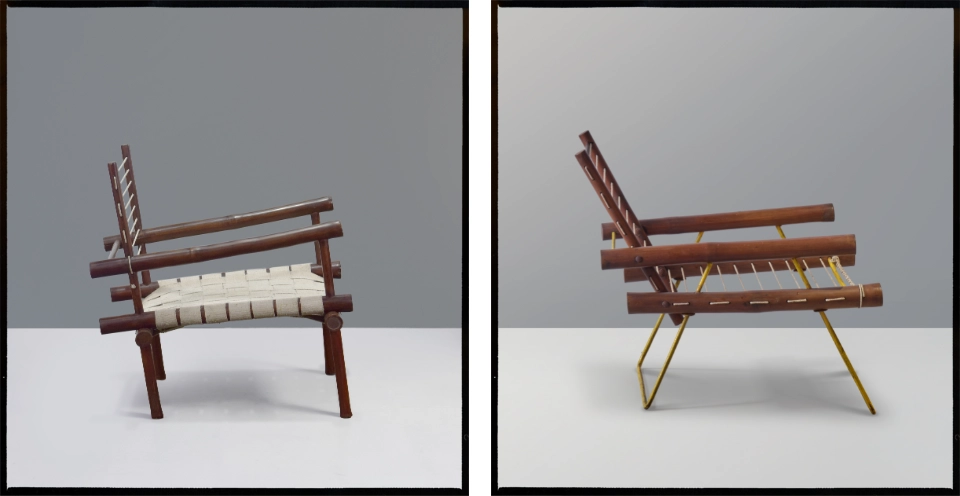 Fauteuil PJ-SI-01-C de Jeanneret Fauteuil PJ-SI-04-C de Jeanneret
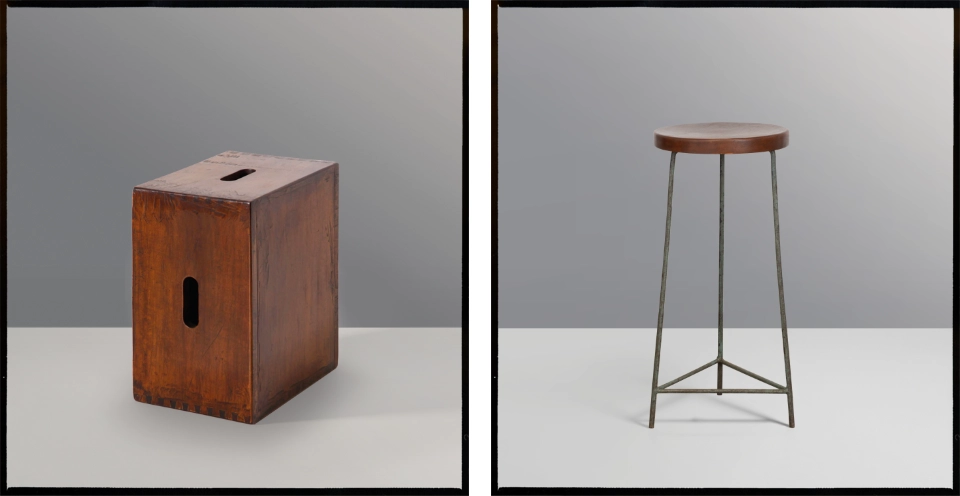 Tabouret LC-14 de Le Corbusier Tabouret PJ-SI-58-A de Jeanneret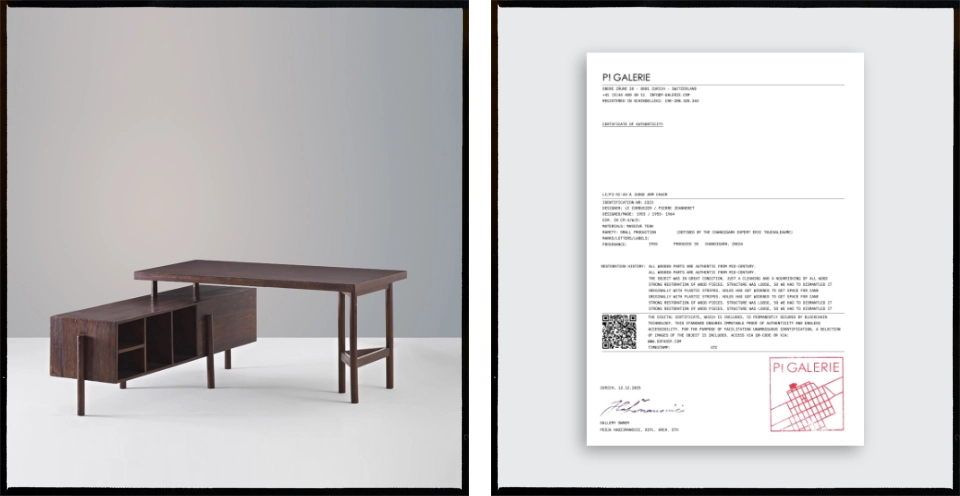


![[:en]teak furniture interior design[:]](https://www.jeanneret-chandigarh.com/wp-content/uploads/2018/12/jeanneret-tabe.webp)
![[:en]New gallery opened with art and design[:]](https://www.jeanneret-chandigarh.com/wp-content/uploads/2018/12/jeanneret-chair.webp)